How Leaders Keep Tabs Without Hovering
Every leader has been there: something needs to get done, you want to make sure it gets done right, and the easiest thing to do is check it yourself.
That works for a while.
Then eventually you’re checking everything, chasing updates, answering questions nobody else wants to answer, and spending all your time making sure other people are doing their jobs.
That is not sustainable.
For a Platoon Sergeant, accountability is part of the job. But accountability does not mean personally verifying every task or standing over every squad leader. At some point, leaders have to build a system they can trust.
Dr. Mark Anthony Clark Jr., retired HQDA G1 Sergeant Major and President/CEO of AGCRA, describes it as having “the right people reporting the right things at the right intervals.”
That is the balance.
Know What You Need to Know
There is a difference between staying informed and getting into everyone’s business.
Good leaders know what they need updates on, how often they need them, and what issues should come straight to them. Everything else does not require constant checking.
That starts with clear expectations.
People need to know:
- what they own
- what “done right” looks like
- when you need an update
- what problems need to be raised immediately
- what decisions they are trusted to make on their own
When that is clear, leaders do not have to keep circling back to ask, “Where are we on this?”
The system should answer that question before it becomes a problem.
Trust, But Don’t Disappear
The answer is not to swing too far the other way either.
Assuming everything is fine because nobody said anything can create just as many problems as checking everything yourself. Dr. Clark’s original point gets at that tension: leaders need enough visibility to catch issues early without turning every task into a personal inspection.
That means checking in with purpose.
Not every five minutes. Not after the fact. Not only when something breaks.
A good accountability rhythm gives leaders visibility without taking ownership away from the people who are supposed to lead.
The Bottom Line
If everything has to come through one person, that person becomes the bottleneck.
Strong leaders build people and systems that can operate without constant supervision. They stay informed, step in when needed, and make sure problems surface early.
Micromanagement is not accountability.
Clear standards, reliable reporting, and leaders who know what they own—that is accountability.
About Topsarge Business Solutions
Topsarge Business Solutions (TBS) provides advisory and assistance services, program management support, workforce development, technical training, research and analysis, and organizational performance solutions to federal agencies.
Our team helps organizations improve workflow efficiency, strengthen accountability, and streamline business processes through practical, mission-focused solutions. Whether supporting correspondence management, records management, training, or process improvement initiatives, we understand the importance of disciplined execution and measurable results.
Learn more about Topsarge’s capabilities at Topsarge Business Solutions.
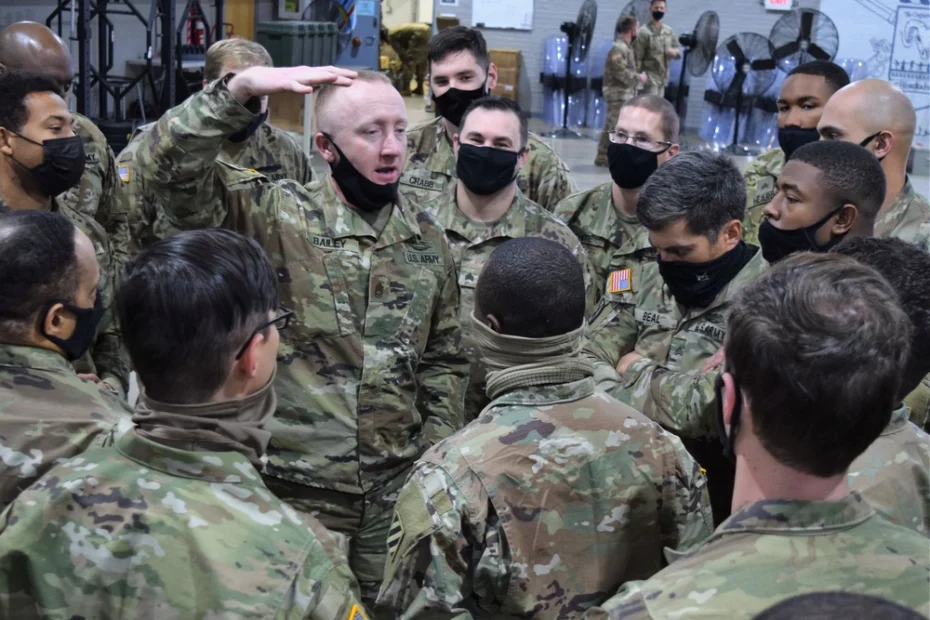
Georgia Army National Guard photo by Maj. William Carraway / DVIDS. Public domain.